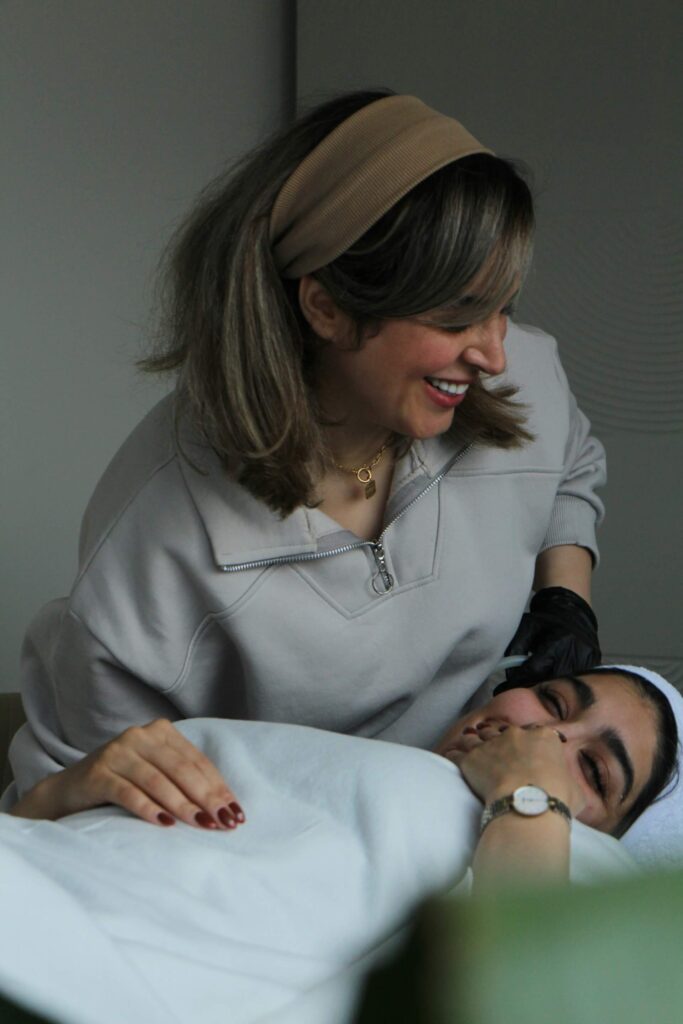
Manual Osteopathy in Thornhill
Restore the Way You Move, Rediscover the Way You Live.
Manual Osteopathy in Thornhill may be a helpful option if chronic back pain, neck stiffness, shoulder tension, TMJ-related concerns, posture-related strain, muscle tightness, or reduced mobility is affecting your daily movement.
At Alina Rehab Clinic, care is provided by Namegh Khaledi, Registered Manual Osteopath. Your appointment is based on your symptoms, movement, posture, comfort level, and goals, with gentle hands-on techniques used when appropriate.
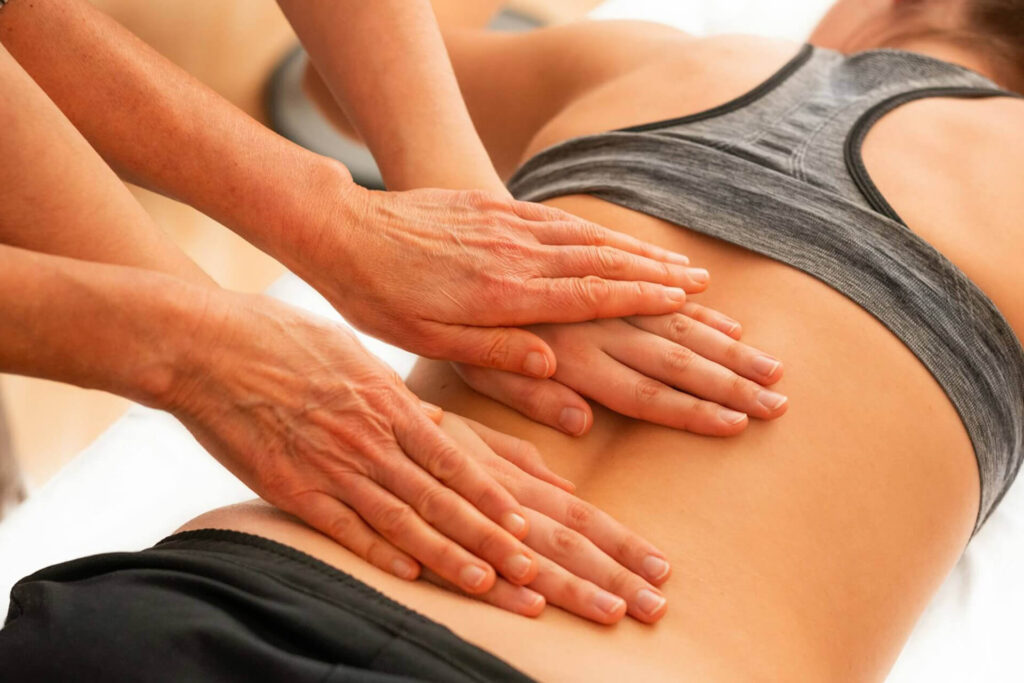
Who Should Consider Manual Osteopathy?
Manual Osteopathy may be considered by people who feel limited by back pain, neck stiffness, muscle tension, joint stiffness, posture-related strain, TMJ-related discomfort, or reduced mobility. It may also be appropriate for patients who prefer a gentle hands-on approach focused on movement, comfort, and daily function.
At Alina Rehab Clinic in Thornhill, your Registered Manual Osteopath reviews your symptoms, health history, posture, movement, and goals before recommending care. This helps determine whether Manual Osteopathy may be suitable for your needs or whether another service, such as Physiotherapy, Massage Therapy, or Chiropractic care, may be a better starting point.
When Should You Consider Manual Osteopathy?
You may consider booking a Manual Osteopathy appointment if you are experiencing:
- Chronic back pain or recurring lower back stiffness
- Neck pain, stiffness, or reduced range of motion
- Shoulder pain or restricted shoulder movement
- Frozen shoulder or rotator cuff-related shoulder concerns
- Jaw pain, clicking, or limited movement related to TMJ dysfunction
- Headaches associated with neck and muscle tension
- Hip, knee, foot, or ankle discomfort affecting movement
- Joint pain, stiffness, or restricted mobility
- Muscle tension, myofascial restrictions, or chronic tightness
- Posture-related strain from sitting, desk work, or repetitive movement
- Sciatica-related musculoskeletal symptoms
- Sports injuries or athletic overuse concerns
- Repetitive strain concerns such as tennis elbow or carpal tunnel syndrome
- Plantar fasciitis or heel pain
- Pregnancy-related musculoskeletal discomfort
- Reduced mobility or flexibility
- General aches and pains affecting everyday movement
- Stiffness or discomfort after a motor vehicle accident
- Recovery following surgery, where manual therapy is appropriate
Take the First Step toward Better Movement

Manual Osteopathy for Chronic Back Pain and Stiffness
Chronic back pain and ongoing lower back stiffness can affect how you sit, stand, walk, work, exercise, and sleep. Manual Osteopathy may support patients who are dealing with recurring back discomfort, muscle tension, reduced mobility, posture-related strain, or stiffness that keeps returning during daily activities.
At Alina Rehab Clinic in Thornhill, your appointment begins with a review of your health history, symptoms, posture, movement, and comfort level. Your Registered Manual Osteopath may assess how your muscles, joints, fascia, and movement patterns are working together and whether they may be contributing to stiffness or restricted mobility.
Care may include gentle hands-on techniques such as soft tissue release, myofascial release, joint mobilization, muscle energy techniques, therapeutic stretching, and mobility work. Home exercises or self-care guidance may also be recommended when appropriate to support your daily movement between visits.
Manual Osteopathy does not promise to cure chronic back pain, permanently remove pain, or replace medical care. The goal is to support comfort, movement, and mobility based on your assessment findings and individual needs.Common Concerns Manual Osteopathy May Support
Manual Osteopathy may be used as part of a care plan for people dealing with muscle tension, joint stiffness, reduced mobility, posture-related strain, and movement-related discomfort. The right approach depends on your symptoms, health history, assessment findings, comfort level, and personal goals.
At Alina Rehab Clinic, your Registered Manual Osteopath may assess how your muscles, joints, fascia, posture, and movement patterns are working together. Care may include gentle hands-on techniques to support comfort, mobility, flexibility, and everyday movement.
Neck Pain, Back Pain, and Stiffness
Neck and back pain can affect work, driving, sleep, exercise, and daily movement. Manual Osteopathy may support neck and back-related concerns by assessing posture, muscle tension, joint mobility, fascia, and movement patterns that may contribute to discomfort or reduced range of motion.
Treatment may include gentle soft tissue release, myofascial release, joint mobilization, mobility work, stretching, and patient-assisted muscle energy techniques when appropriate.
Shoulder Pain, Frozen Shoulder, and Rotator Cuff-Related Concerns
Shoulder pain, frozen shoulder, rotator cuff-related concerns, or restricted shoulder movement can make it difficult to reach, lift, carry, exercise, or sleep comfortably. Manual Osteopathy may support shoulder mobility by assessing the shoulder joint, surrounding muscles, upper back, neck, posture, and movement patterns.
Care may include soft tissue techniques, joint mobilization, stretching, and mobility-based work to support range of motion and daily function.
TMJ, Jaw Pain, and Headache-Related Tension
TMJ dysfunction may involve jaw pain, clicking, limited movement, facial tension, or discomfort when chewing or speaking. Some patients also experience headaches associated with neck and muscle tension, especially when the jaw, neck, shoulders, and upper back are involved.
Manual Osteopathy may support TMJ-related musculoskeletal tension by assessing the jaw, neck, upper back, posture, and surrounding soft tissues. If dental or medical evaluation is needed, your practitioner may recommend that you speak with the appropriate healthcare provider.
Sciatica-Related Musculoskeletal Symptoms
Some patients experience lower back discomfort with hip, leg, or sciatica-related musculoskeletal symptoms. Manual Osteopathy may support mobility and comfort by assessing the lower back, pelvis, hips, soft tissues, and movement patterns that may contribute to stiffness or restricted movement.
Manual Osteopathy does not diagnose or treat nerve conditions. If you are experiencing severe pain, numbness, weakness, or symptoms that are worsening, please seek medical advice before booking.
Hip, Knee, Foot, Ankle, and Joint Stiffness
Hip, knee, foot, ankle, and joint stiffness can affect walking, stairs, balance, exercise, and everyday movement. Manual Osteopathy may support patients with joint-related stiffness or restricted mobility by assessing movement patterns, muscle tension, posture, and joint mobility.
Treatment may include gentle hands-on techniques, stretching, joint mobilization, muscle energy techniques, and home care guidance when appropriate.
Plantar Fasciitis and Heel Pain
Foot discomfort, plantar fasciitis, and heel pain can affect standing, walking, exercise, and daily routines. Manual Osteopathy may support foot and ankle-related movement concerns by assessing the surrounding joints, soft tissues, posture, and movement patterns that may be contributing to strain or restricted mobility.
Care recommendations may include hands-on treatment, mobility work, stretching, and self-care guidance when appropriate.
Muscle Tension, Myofascial Restrictions, and Chronic Tightness
Muscle tension, myofascial restrictions, and chronic tightness can make movement feel limited or uncomfortable. Manual Osteopathy may support soft tissue mobility and comfort through gentle hands-on techniques selected based on your assessment and comfort level.
Your practitioner may also review posture, repetitive movement habits, and daily activities that may be contributing to recurring tension.
Posture-Related and Workplace-Related Strain
Posture-related strain is common for people who sit for long hours, work at a desk, drive frequently, or repeat the same movement patterns throughout the day. This may contribute to neck stiffness, back discomfort, shoulder tension, wrist or elbow discomfort, or general muscle tightness.
Manual Osteopathy may support posture and workplace-related musculoskeletal concerns by assessing how your body moves, where tension is building, and which areas may need mobility or soft tissue support.
Repetitive Strain, Tennis Elbow, and Carpal Tunnel-Related Concerns
Repetitive strain concerns, including tennis elbow or carpal tunnel-related discomfort, may develop from repeated movements, desk work, gripping, lifting, or certain work and sport activities. Manual Osteopathy may support movement and comfort by assessing the muscles, joints, soft tissues, and movement patterns involved.
If symptoms suggest a medical or neurological concern, your practitioner may recommend that you speak with the appropriate healthcare provider.
Sports Injuries and Athletic Overuse Concerns
Sports-related strain and athletic overuse concerns can affect mobility, comfort, and performance in daily activity or exercise. Manual Osteopathy may support patients experiencing muscle tension, joint stiffness, restricted mobility, or general aches related to physical activity.
Each appointment is based on your assessment findings, comfort level, and goals.
Pregnancy-Related Musculoskeletal Discomfort
Pregnancy-related musculoskeletal discomfort may affect the back, hips, pelvis, posture, or daily movement. Manual Osteopathy may be considered when gentle hands-on care is appropriate and based on the patient’s comfort level, stage of pregnancy, and health history.
Patients should speak with their healthcare provider if they have medical concerns, pregnancy complications, or symptoms that require medical evaluation.
MVA Recovery and Post-Surgery Support
After a motor vehicle accident or surgery, some patients experience stiffness, muscle tension, reduced mobility, or general movement-related discomfort. Manual Osteopathy may support mobility and comfort as part of a broader care plan when manual therapy is appropriate.
Your first appointment includes an assessment and a discussion of your symptoms, goals, and care options. Manual Osteopathy does not replace medical care, post-surgical instructions, or treatment recommendations from your physician or healthcare team.
Not Sure If Manual Osteopathy Is Right for You?
How Your Manual Osteopathy Appointment Works
Manual Osteopathy uses gentle hands-on techniques to assess and support the way your body moves. Your Registered Manual Osteopath may focus on muscles, joints, fascia, posture, and movement patterns that may be contributing to tension, stiffness, discomfort, or reduced mobility.
Your care may include soft tissue release, myofascial release, joint mobilization and articulation, muscle energy techniques, therapeutic stretching, mobility work, craniosacral techniques, visceral techniques, postural and movement assessment, and home exercise or self-care guidance when appropriate.
Each appointment is based on your assessment findings, comfort level, and goals. Your Registered Manual Osteopath will explain the approach before treatment and adjust techniques when needed.
Soft Tissue Release
Myofascial release focuses on the fascia and surrounding soft tissues. It may be used when areas of the body feel restricted, stiff, or difficult to move comfortably.
Myofascial Release
Hands-on techniques that address restrictions within the fascia to improve flexibility, movement, and overall tissue function.
Joint Mobilization and Articulation
Joint mobilization and articulation techniques use controlled manual movements to support joint mobility, range of motion, and reduced stiffness. These techniques are selected based on your assessment findings and comfort level.
Muscle Energy Techniques
Muscle energy techniques use gentle patient-assisted movements. Your practitioner may ask you to lightly contract or move a muscle in a specific direction while receiving guided support to help improve mobility, muscle balance, and joint function.
Therapeutic Stretching and Mobility Techniques
Therapeutic stretching and mobility techniques may be used to support flexibility, posture, and functional movement. Your practitioner may also recommend simple stretches or mobility exercises to support your progress between appointments.
Craniosacral Techniques
Craniosacral techniques may be used when appropriate, using light manual contact. These techniques are selected carefully based on your assessment, comfort level, and treatment goals.
Visceral Techniques
Visceral techniques may be used when clinically appropriate, using gentle manual contact to support the mobility of surrounding connective tissues and normal movement relationships between internal structures and the musculoskeletal system.
Postural and Movement Assessment
A postural and movement assessment may be used to evaluate posture, movement patterns, joint mobility, muscle function, and functional movement. This helps guide your treatment plan and identify factors that may be contributing to stiffness, tension, or reduced mobility.
Home Exercise and Self-Care Guidance
When appropriate, your practitioner may recommend personalized exercises, stretching, mobility work, posture education, ergonomic advice, or self-care strategies to help maintain progress between appointments and support long-term physical health.
Your First Visit at Alina Rehab Clinic
Personalized Care Starts Here
Your first Manual Osteopathy appointment at Alina Rehab Clinic is approximately 45–60 minutes. This visit gives your Registered Manual Osteopath time to understand your concerns, review your health history, assess your movement, and discuss what you would like to improve.
The appointment is designed to provide a clear understanding of your symptoms, movement patterns, comfort level, and functional goals. Your care plan is based on your assessment findings, individual needs, and how your body responds to treatment.
During your first visit, your appointment may include:
- A consultation to discuss your health history, current concerns, lifestyle, and treatment goals
- A physical assessment, including posture, movement patterns, joint mobility, muscle balance, and functional movement
- A hands-on manual assessment to identify areas of tension, restriction, and movement limitation
- Manual Osteopathic treatment using techniques selected for your condition and comfort level
- A personalized treatment plan with care recommendations based on your goals
- Home care recommendations, which may include stretching, mobility exercises, posture education, or self-care strategies

Meet Namegh Khaledi, Registered Manual Osteopath
Manual Osteopathy at Alina Rehab Clinic is provided by Namegh Khaledi, Registered Manual Osteopath. Namegh uses a patient-focused approach that may include gentle hands-on techniques, movement assessment, soft tissue work, mobility support, and self-care guidance when appropriate.
His care approach is based on each patient’s symptoms, comfort level, assessment findings, and goals. During your appointment, Namegh may assess posture, movement patterns, muscle tension, joint mobility, fascia, and related areas to help determine which manual techniques may be appropriate.
Namegh’s credentials include:
- Registered Manual Osteopathic Practice, OMP
- Member of ACMA Association
- Member of the College of Registered Manual Osteopaths
Manual Osteopathy FAQs
Is Manual Osteopathy Covered by Insurance?
Most health benefit plans provide coverage for Manual Osteopathy, but coverage varies by insurer and individual plan. Patients are encouraged to check with their insurance provider before booking to confirm eligibility, reimbursement, coverage limits, and any required receipt details.
Do I need a referral for Manual Osteopathy?
In many cases, patients can book Manual Osteopathy directly. However, some insurance plans may require a referral or specific documentation for reimbursement, so it is best to check with your insurance provider if you plan to submit a claim.
What should I bring to my appointment?
Please bring any relevant health information, insurance details, and reports related to your concern if available. If your visit is connected to a motor vehicle accident, surgery, or an insurance claim, contact the clinic before your appointment so the team can guide you on what information may be needed.
Is the free consultation the same as a treatment appointment?
No. The free consultation is a short 10–15 minute conversation to discuss your concerns and help you decide whether Manual Osteopathy may be right for you. It does not include a physical assessment, diagnosis, or treatment.
What should I wear to a Manual Osteopathy appointment?
Wear comfortable clothing that allows easy movement. Your practitioner may assess posture, movement, and range of motion during the appointment.
Should I book Manual Osteopathy if I have severe or worsening symptoms?
If your symptoms are severe, sudden, worsening, or connected with numbness, weakness, unexplained pain, or a medical condition, please speak with a qualified healthcare provider before booking Manual Osteopathy.
What if I am not sure whether to book Manual Osteopathy, Physiotherapy, Massage Therapy, or Chiropractic care?
If you are unsure which service is the right starting point, you can book a free consultation. The clinic can help you understand whether Manual Osteopathy may be appropriate or whether another service may better match your concern.